


Small Poppy Buds: Uses, Benefits, Identification, and Growing Guide
 By Poppy Ace4 months ago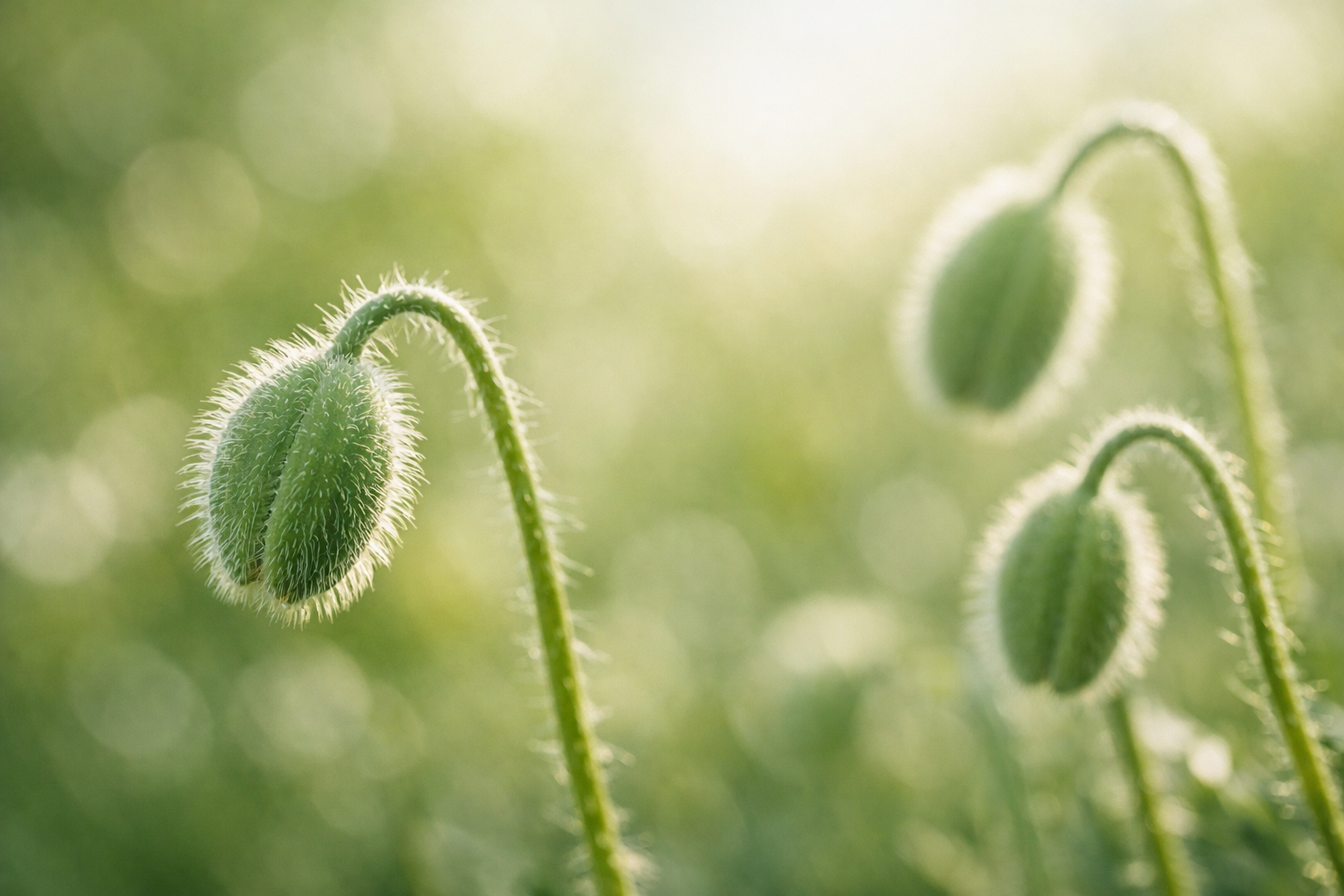
In this detailed guide, we’ll explore what small poppy buds are, their types, uses, cultivation methods, and important considerations.
What Are Small Poppy Buds?
Small poppy buds are the early, unopened flower buds of poppy plants (Papaver species). At this stage, the buds are compact, often green or slightly bluish, and covered with fine hairs depending on the variety. As they mature, these buds bloom into vibrant poppy flowers known for their delicate petals and striking colors.
The size, shape, and texture of small poppy buds vary by species, climate, and growing conditions.
Types of Small Poppy Buds
There are several poppy species that produce small buds, each with distinct characteristics:
1. Papaver somniferum (Opium Poppy)
- Rounded, smooth buds
- Pale green to bluish tone
- Commonly grown for seeds and ornamental purposes
2. Papaver rhoeas (Corn Poppy)
- Smaller, elongated buds
- Slightly hairy exterior
- Bright red flowers after blooming
3. Papaver orientale (Oriental Poppy)
- Larger plants but relatively small buds at early stages
- Hairy and curved buds
Uses of Small Poppy Buds
1. Ornamental Use
Small poppy buds are valued in gardens and floral arrangements for their aesthetic appeal. Florists often use them in dried or fresh arrangements because they add texture and a natural look.
2. Botanical and Educational Use
Botanists and students study small poppy buds to understand plant development stages, pollination, and seed formation.
How to Identify Healthy Small Poppy Buds
Healthy small poppy buds generally have:
- Firm structure
- Uniform green or bluish color
- No black spots, mold, or shriveling
- Slight downward tilt (common in many species)
Damaged or unhealthy buds may fail to bloom properly or drop prematurely.
Growing Small Poppy Buds: Step-by-Step Guide
1. Soil Requirements
- Well-drained soil
- Slightly sandy or loamy texture
- Neutral to slightly alkaline pH
2. Sunlight
Poppies require full sun for optimal bud formation—at least 6 hours per day.
3. Watering
- Moderate watering
- Avoid waterlogging
- Overwatering can cause bud rot
4. Temperature
Cool to mild climates are ideal. Excessive heat may reduce bud size.
5. Spacing
Proper spacing ensures airflow and reduces disease risk, helping buds remain small but healthy.
Harvesting and Handling Small Poppy Buds
For ornamental or educational purposes:
- Harvest buds early in the morning
- Use clean, sharp tools
- Handle gently to prevent bruising
For dried arrangements, buds can be air-dried in a cool, dark space to preserve shape and color.
Storage Tips
- Store dried small poppy buds in airtight containers
- Keep away from direct sunlight
- Maintain low humidity to prevent mold
Legal and Safety Considerations
Certain poppy species are regulated due to their chemical properties. Growing or using small poppy buds may be restricted depending on your location.
✔ Always verify:
- Local agricultural laws
- Import/export restrictions
- Intended use compliance
Why Small Poppy Buds Are So Popular
The popularity of small poppy buds comes from their:
- Natural beauty
- Symbolic meaning
- Versatile ornamental use
- Educational value in plant studies
They are especially favored by gardeners looking for low-maintenance yet visually striking plants.
Final Thoughts
Small poppy buds are more than just an early growth stage—they represent beauty, potential, and botanical interest. Whether you are cultivating them for your garden, studying plant biology, or using them decoratively, understanding their characteristics and proper care is essential.
With the right growing conditions and responsible handling, small poppy buds can be a rewarding addition to any plant collection.
Trending Now


