


Preparing Poppy Flowers for Arrangements: A Florist’s Conditioning Guide
 By Poppy Ace5 months ago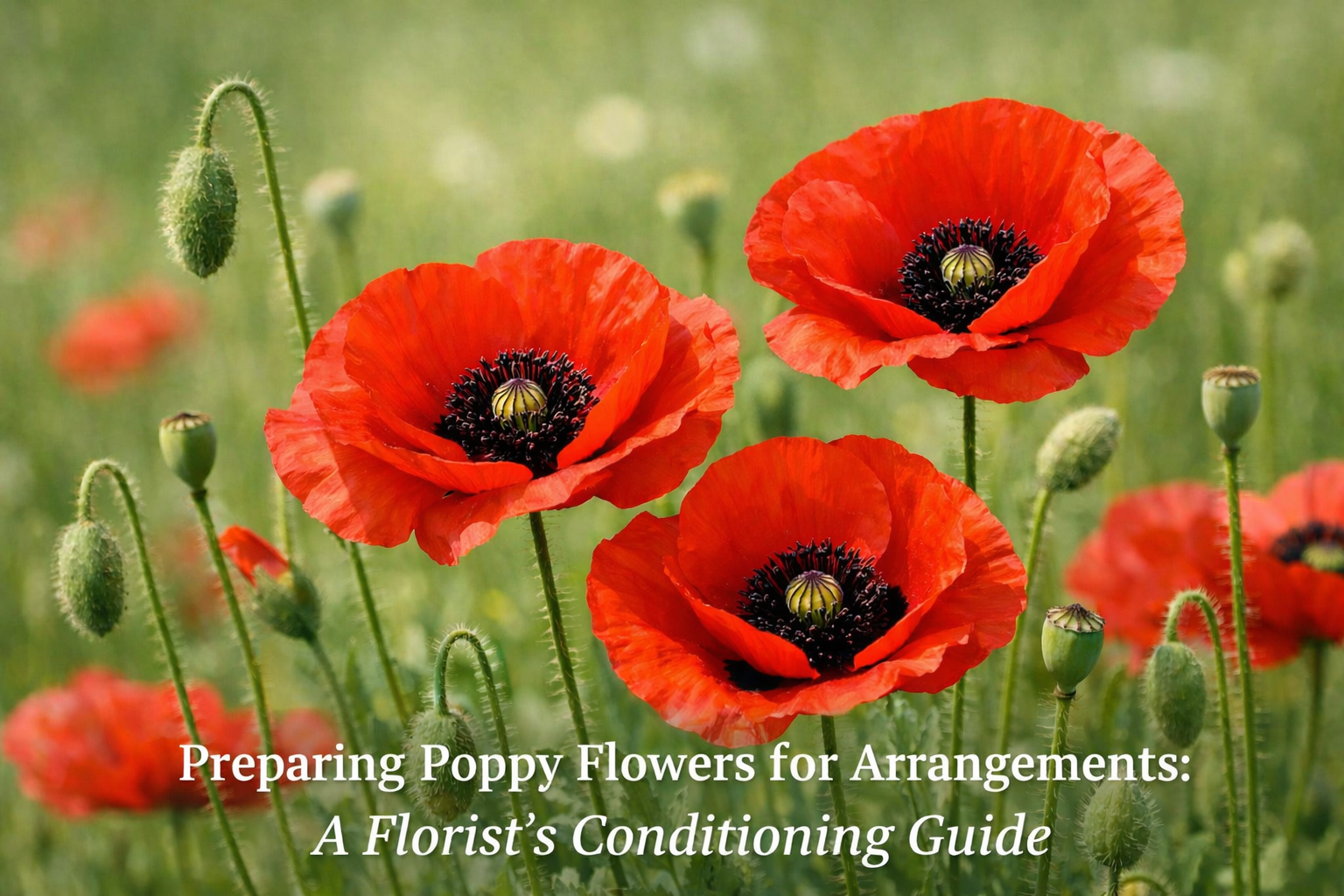
Understanding the Nature of Poppy Flowers
Poppies are sensitive flowers that react quickly to heat, handling, and dehydration. Florists should keep in mind:
Petals are thin and bruise easily
Stems release milky sap when cut
Flowers open rapidly in warm conditions
Understanding these traits is key to successful preparation.
Selecting the Right Stage
Choosing poppies at the correct stage makes a big difference.
Select buds that are just starting to open
Avoid fully open blooms, as they fade quickly
Look for firm stems and healthy green buds
Cutting and Sealing the Stems
Proper stem preparation is essential for hydration.
Cut stems at an angle using clean, sharp tools
Immediately seal the cut ends to stop sap flow
Use one of these methods:
Dip stem ends in very hot water for 10–15 seconds
Briefly pass stem ends through a flame
This step prevents blocked water uptake.
Conditioning and Hydration
Once stems are sealed, conditioning begins.
Place poppies in clean containers with cool water
Allow flowers to hydrate for several hours
Keep them in a cool, shaded area
Avoid heat, direct sunlight, and drafts
Clean water helps poppies stay upright and fresh.
Ongoing Care and Maintenance
To extend vase life:
Change water daily if possible
Recut stems every 1–2 days
Repeat stem sealing after recutting
Keep flowers away from ripening fruit
Simple care habits make a noticeable difference.
Designing with Poppies
When arranging poppies:
Give each bloom space to open naturally
Use supportive foliage to protect petals
Avoid overcrowding in tight designs
Poppies work beautifully as focal flowers in natural, airy arrangements.
Final Thoughts
With careful conditioning and gentle handling, poppies can be a stunning addition to floral designs. While they require extra attention, their movement, texture, and vibrant color make them well worth the effort for any florist.
Trending Now


